Key takeaways
- Broadcom chips for Anthropic get $63B in financing
- Anthropic S-1 shows compute commitments up to $567B
- Nvidia DSX POD cuts AI data center setup to 14 days
- Nvidia quadruples interposer, lifts substrates 2.5x
- US names helium a critical material for chipmaking
- Automakers lock in memory as DRAM prices climb
- Kazakhstan cleared for 45,000 Nvidia GPUs
- iPhone Duo seen at 5M units, 24.8% of foldables
Watch the video briefing (in Korean)
More briefing videos on our YouTube channel.
1. Wall Street banks and Blackstone commit $63 billion for Broadcom AI chips headed to Anthropic
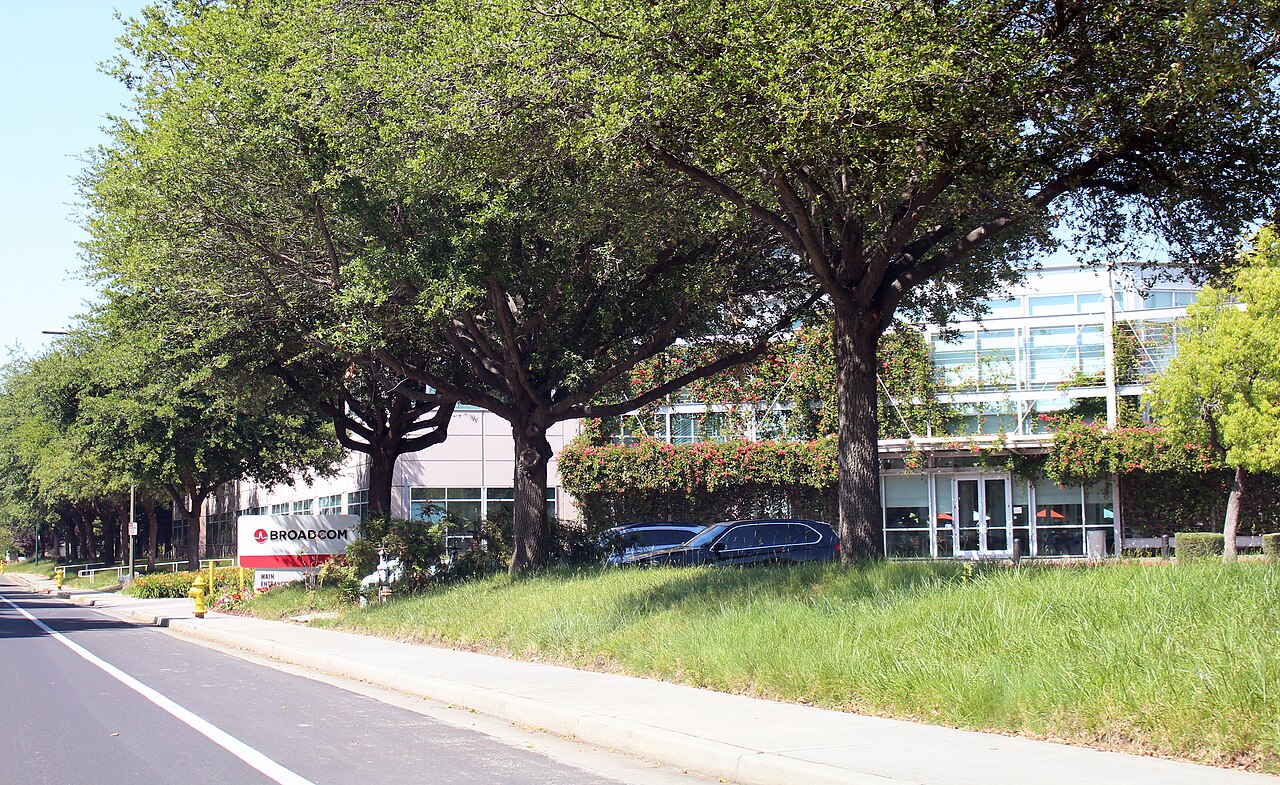
Broadcom said on October 26 that Bank of America, Citi, Morgan Stanley and Blackstone have committed $63 billion to a financing vehicle for its AI hardware. A special purpose vehicle will buy Broadcom XPU accelerators and networking gear and lease them to Anthropic, with deliveries starting in 2027.
The three banks are arranging the first-lien debt, while Blackstone is the sole provider of the committed second-lien portion. Broadcom will offer residual value support equal to the first-lien amount. Reuters put the senior loans at roughly $43.5 billion, about 69% of the package.
Why it matters: Instead of buying chips outright, the AI company leases them from a separate entity funded by lenders. It is a clear sign that asset-backed financing, with data center hardware as collateral, is becoming a mainstream way to pay for AI infrastructure.
- SPV: A special purpose vehicle is a standalone company created for a single deal, keeping the assets and debt off the parent's balance sheet.
- XPU: Broadcom's name for the custom AI accelerators it designs for individual customers.
2. Anthropic's IPO filing details a multi-chip strategy and plans for its own data centers

Anthropic made its S-1 filing for a Nasdaq listing public on October 26. The document says the company trains and serves its models on a mix of AWS Trainium, Google TPUs, Nvidia GPUs and AMD GPUs.
CNBC reported future obligations to compute providers of about $417 billion, and analysts estimate the total reaches roughly $542 billion to $567 billion once capacity due between 2028 and 2031 is included. Fortune reported that Anthropic is also pursuing its own data centers under an effort called Anthropic Direct. An earlier draft of the filing disclosed a five-year TPU capacity lease commitment of about $125.2 billion.
Why it matters: The filing confirms that one buyer is securing several kinds of AI silicon at massive scale. Demand is growing not just for Nvidia GPUs but also for in-house designs such as TPUs and Trainium.
- TPU: Google's purpose-built AI processor, designed with help from Broadcom.
- Trainium: Amazon Web Services' in-house chip for training AI models.
3. Nvidia's DSX POD packs an AI data center into a container, cutting setup from six months to 14 days
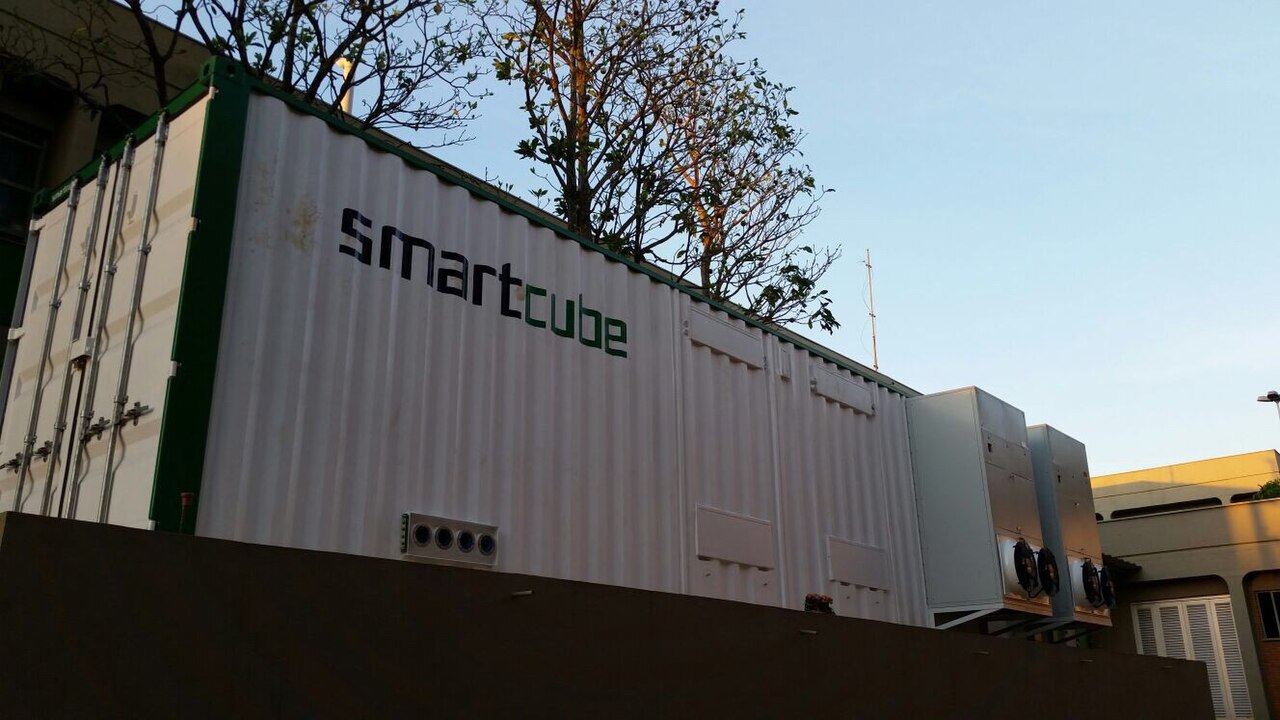
At GTC Berlin, Nvidia unveiled DSX POD, a reference design for factory-built Vera Rubin AI infrastructure shipped in containers. Racks, networking, cabling and cooling are integrated and tested before shipment, so a site with power and cooling already in place could go live in as little as 14 days instead of roughly six months.
Press reports say each POD holds seven Vera Rubin NVL72 racks. Dell, HPE, Lenovo, Foxconn and Schneider Electric are building the systems, with deliveries planned for early 2027.
Why it matters: Construction, power and cooling work often take longer than getting the chips themselves. Moving that work into a factory can sharply shorten the time between buying AI servers and putting them to work.
- NVL72: Nvidia's rack-scale system that links 72 GPUs at high speed so they operate like one large computer.
4. Nvidia lifts substrate capacity 2.5x and interposer capacity 4x, but packaging remains the bottleneck
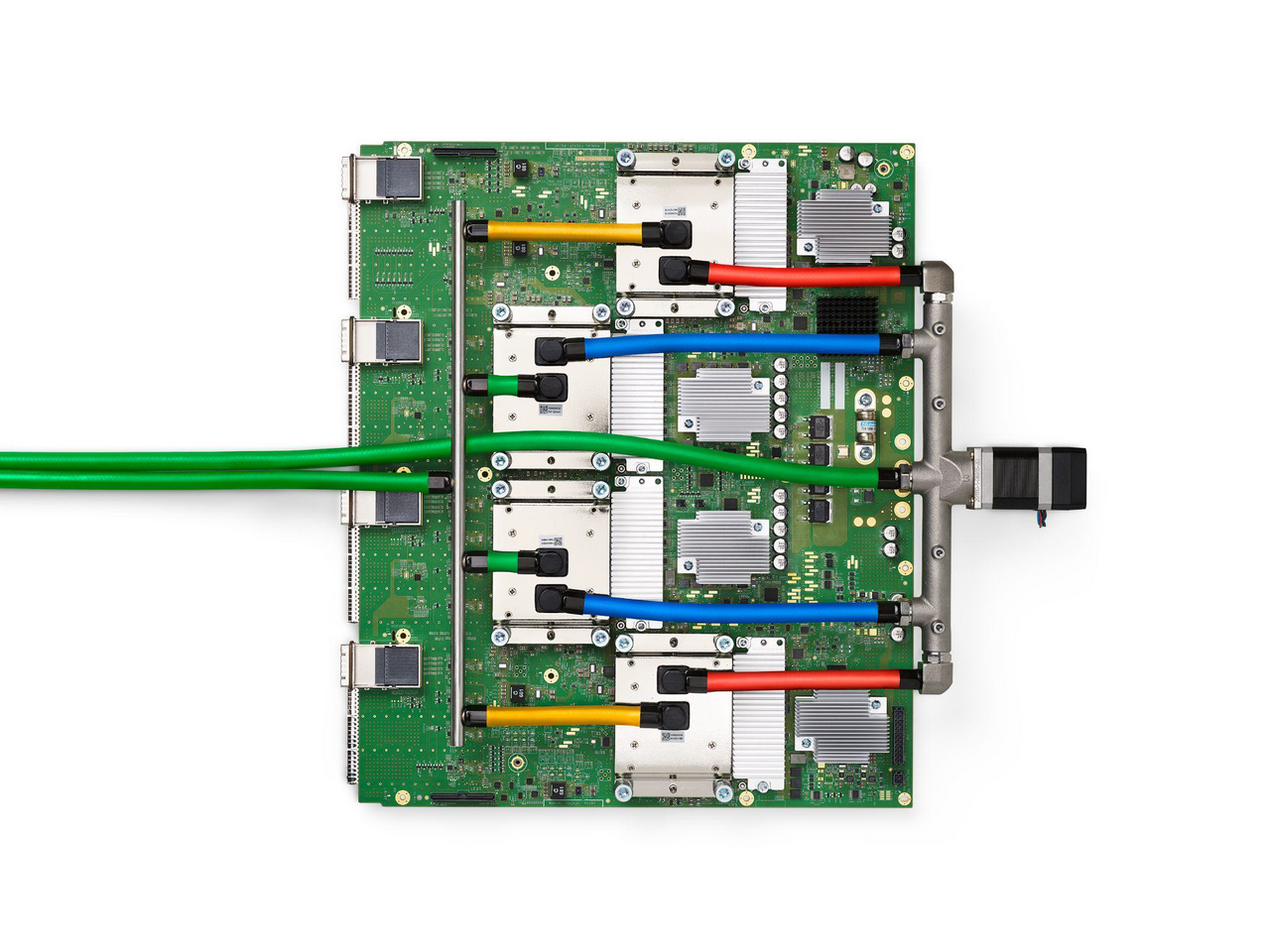
Following Nvidia's plan to expand AI package substrate capacity 2.5 times over three years with its suppliers, details of the interposer build-out have emerged. Amkor's interposer wafer capacity in South Korea is set to grow by more than 300% by the end of 2028, roughly four times today's level. Ibiden, Samsung Electro-Mechanics and Unimicron are among the substrate partners named.
Analysts say substrate and interposer supply, rather than GPU dies, is what limits accelerator output, and most of the new capacity will not arrive until 2027 and 2028.
Why it matters: An AI chip is only finished once the GPU and HBM are assembled into one package, so a shortage of substrates or interposers can hold back shipments. Even large expansions come online late, meaning tight supply could persist for some time.
- Interposer: A thin base layer on which a GPU and HBM stacks sit side by side, connected by very dense wiring.
- Package substrate: The board a chip sits on that connects it electrically to the motherboard; AI chips mostly use ABF substrates.
5. US Energy Department names helium a critical material, citing chipmaking

The US Department of Energy designated helium a critical material on October 23, pointing to its essential role in semiconductor manufacturing, where it has few substitutes. Helium becomes the 20th entry on the department's list.
According to the Associated Press, the US produced about 81 million cubic meters in 2025, roughly 43% of world supply. But the closure of the Strait of Hormuz has sharply curtailed Qatar's exports, and Russia temporarily restricted helium exports in April, tightening the market.
Why it matters: Chip fabs use helium for cooling, lithography and leak detection. The designation could open the door to more federal financing and closer government monitoring of domestic helium production.
- Specialty gases: High-purity gases used in chipmaking for etching, deposition and cooling, including helium, neon and fluorine compounds.
6. Automakers sign direct memory deals as AI demand squeezes supply
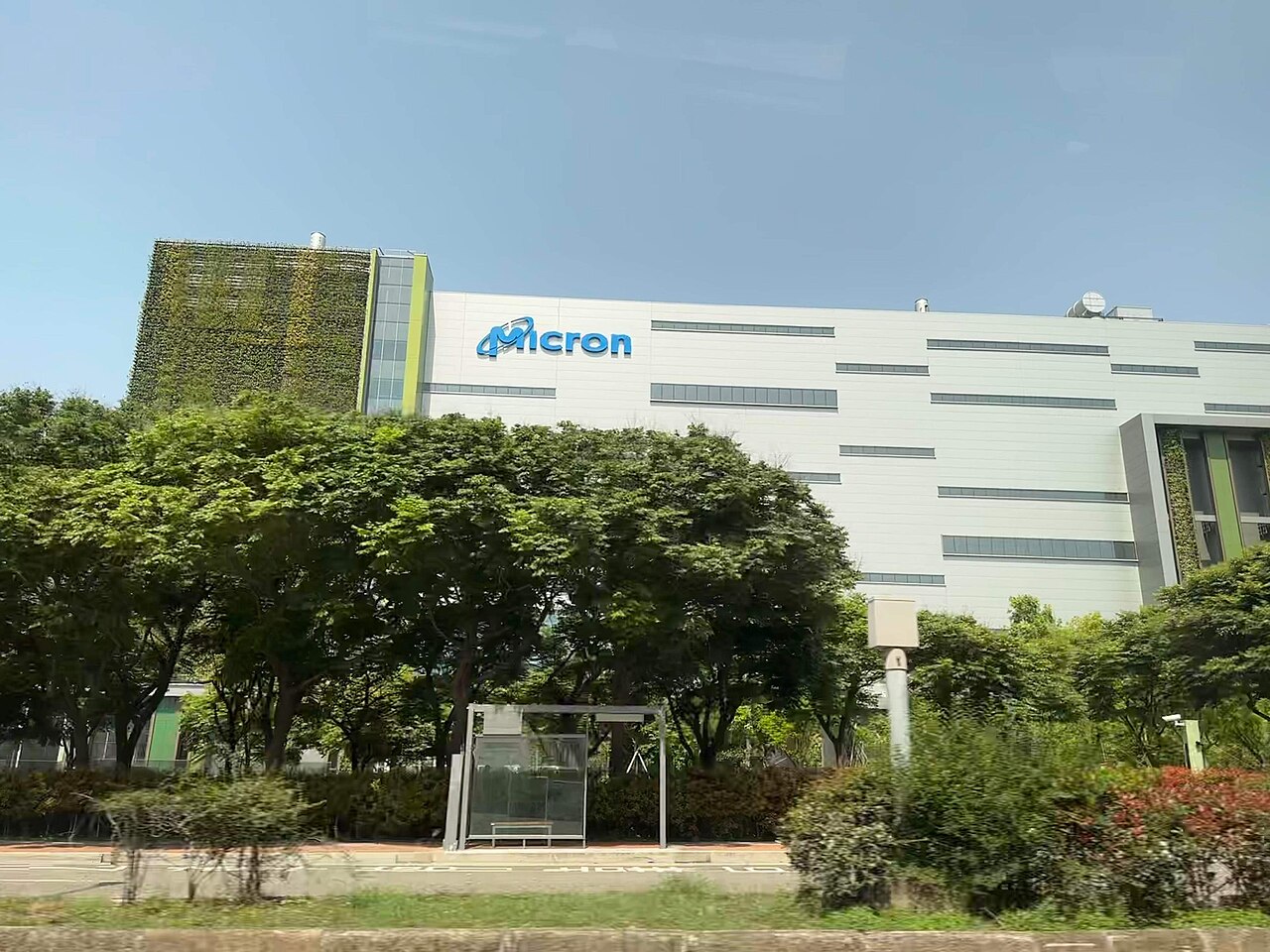
With AI servers absorbing much of the world's memory output, carmakers are signing long-term supply contracts directly with chipmakers. GM agreed to source LPDRAM, NOR and UFS NAND from Micron, and Ford signed a similar deal. GM has also set aside a $4.5 billion reserve to support its parts suppliers.
S&P Global estimates that new-contract DRAM prices in 2026 could be 70% to 100% higher than in 2025. Because the auto industry accounts for only about 3% of global DRAM demand, it tends to fall behind AI customers when supply is allocated.
Why it matters: Automakers have traditionally bought chips indirectly through tier-one and tier-two suppliers. Locking in volumes and prices directly with memory makers marks a shift in how the car industry sources semiconductors.
- LTA: A long-term agreement that sets supply volumes and price ranges for several years in advance.
7. Kazakhstan aims to export AI computing with 45,000 Nvidia GPUs

AI infrastructure company Firebird has received a US export license covering 45,000 Nvidia Grace Blackwell GPUs for Kazakhstan. The first phase is being built with Kazakhtelecom in the country's Data Center Valley and is targeted for commercial launch in the third quarter of 2027.
A planned second phase could bring Firebird's total potential AI capacity in Kazakhstan to about 500 megawatts. Firebird previously built its first AI factory in Armenia.
Why it matters: Rather than selling its energy as raw power, an energy-rich country is trying to turn it into AI computing capacity for export. Advanced GPUs need US export licenses, so the size of the license effectively sets the size of the business.
- Grace Blackwell: Nvidia's pairing of its Grace CPU with Blackwell GPUs for AI servers.
8. SoftBank eyes $50 billion AI and data center investment in Malaysia

Malaysian Prime Minister Anwar Ibrahim said that after a video call, SoftBank founder Masayoshi Son told him he had chosen sites in Malaysia for about $50 billion in technology projects, focused on AI and data centers in Sarawak (Kuching) and Peninsular Malaysia.
Timelines and details have not been released, and SoftBank has not issued its own statement. Earlier in October, SoftBank, Grab and Sarawak's state energy company Petros signed a framework agreement to explore AI infrastructure in the state.
Why it matters: Malaysia is using its land and power supply to grow into a Southeast Asian data center hub. The figure is a government-announced plan rather than committed spending, which is worth keeping in mind.
9. Jensen Huang and Elon Musk say GPUs stay useful for eight years or more

At GTC Berlin, Nvidia CEO Jensen Huang said the company's accelerators now remain productive for eight years or longer, up from about four years in the past. He credited continuing software improvements and the ability to resell compute capacity when one owner retires the hardware.
On SpaceX's third-quarter earnings call, Elon Musk made a similar point, arguing that better models and software extract more useful output per watt from the same GPUs, raising the value of older chips.
Why it matters: How long a GPU stays useful drives depreciation and return calculations for AI companies. Economic life and accounting life are not the same, though, and some skeptics argue the real figure is closer to two or three years.
- Depreciation: Spreading the cost of expensive equipment over the years it is expected to be used.
10. AWS and Google make it easier to run PyTorch on their own AI chips

At the PyTorch Conference, Google open-sourced TorchTPU, which lets PyTorch code run natively on its TPUs; it was co-developed with Meta's PyTorch team. The same week, AWS released TorchNeuron, a PyTorch backend for its Trainium chips, in public beta.
Both companies say existing workloads can move over with minimal code changes. Custom CUDA kernels, however, still have to be ported manually.
Why it matters: Nvidia's edge comes not only from its chips but from the CUDA software ecosystem developers already know. Lowering the cost of switching hardware makes cloud providers' in-house chips more competitive with Nvidia GPUs.
- CUDA: Nvidia's proprietary platform for programming its GPUs.
- PyTorch: The most widely used open-source framework for building and training AI models.
11. Infineon and ASMedia team up on 20Gbps USB links for AI cameras
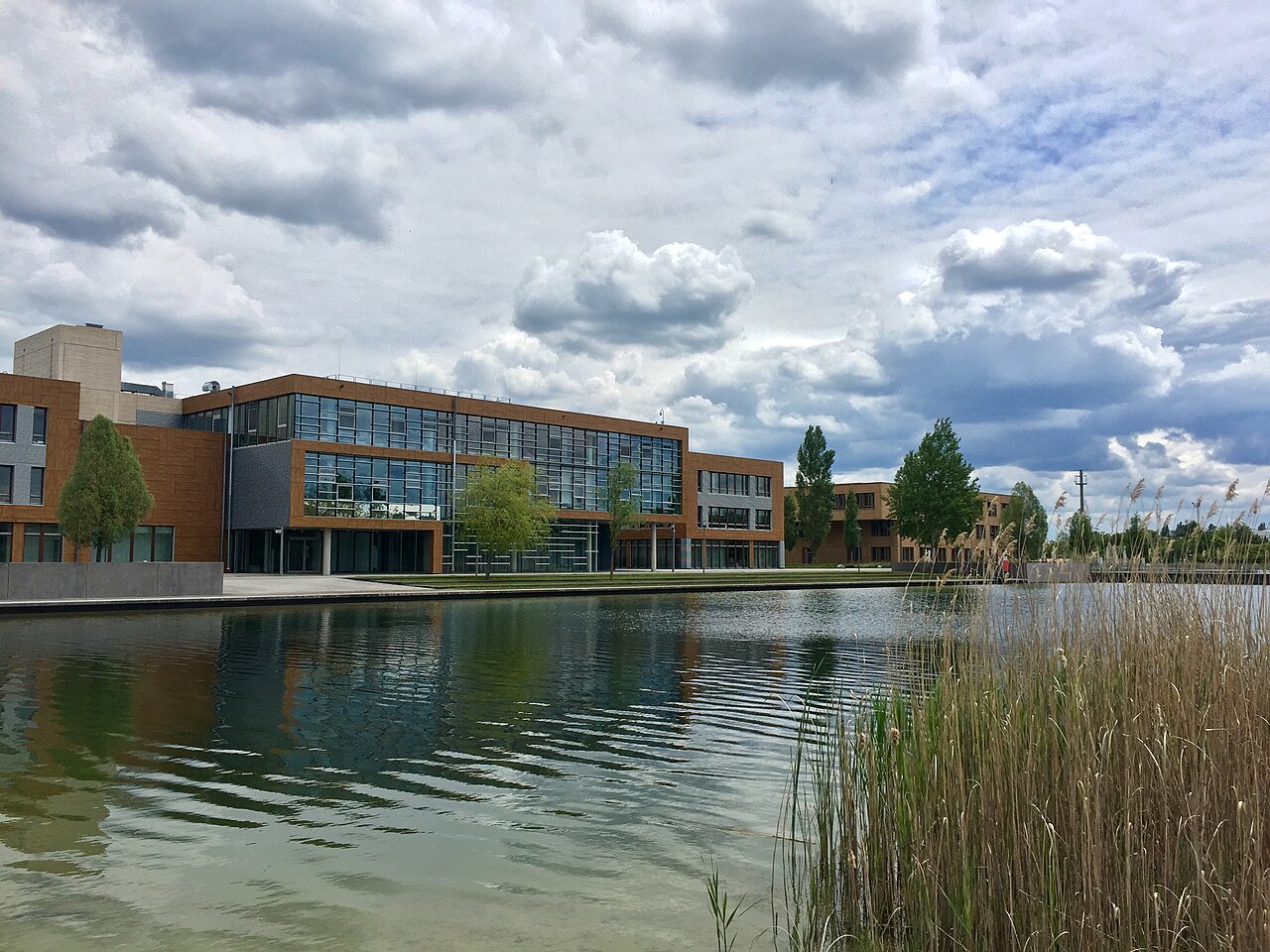
Infineon and Taiwan's ASMedia have teamed up on an end-to-end USB 20Gbps solution for AI cameras and physical AI devices. It pairs Infineon's EZ-USB FX20 controller on the camera side with ASMedia's ASM4242 USB4 host controller on the PC side.
Infineon followed with a PCIe add-in card reference design that combines both chips with its own power delivery controller. It sustains 20Gbps over five-meter passive cables and supplies up to 36W per port.
Why it matters: Inspection cameras and robots that analyze video in real time need to move large amounts of data quickly and reliably. Solving that with standard USB makes such equipment easier to build.
- Physical AI: AI built into devices that sense and act in the real world, such as robots, autonomous vehicles and smart cameras.
12. iPhone Duo forecast at 5 million units this year, a boost for OLED TDDI
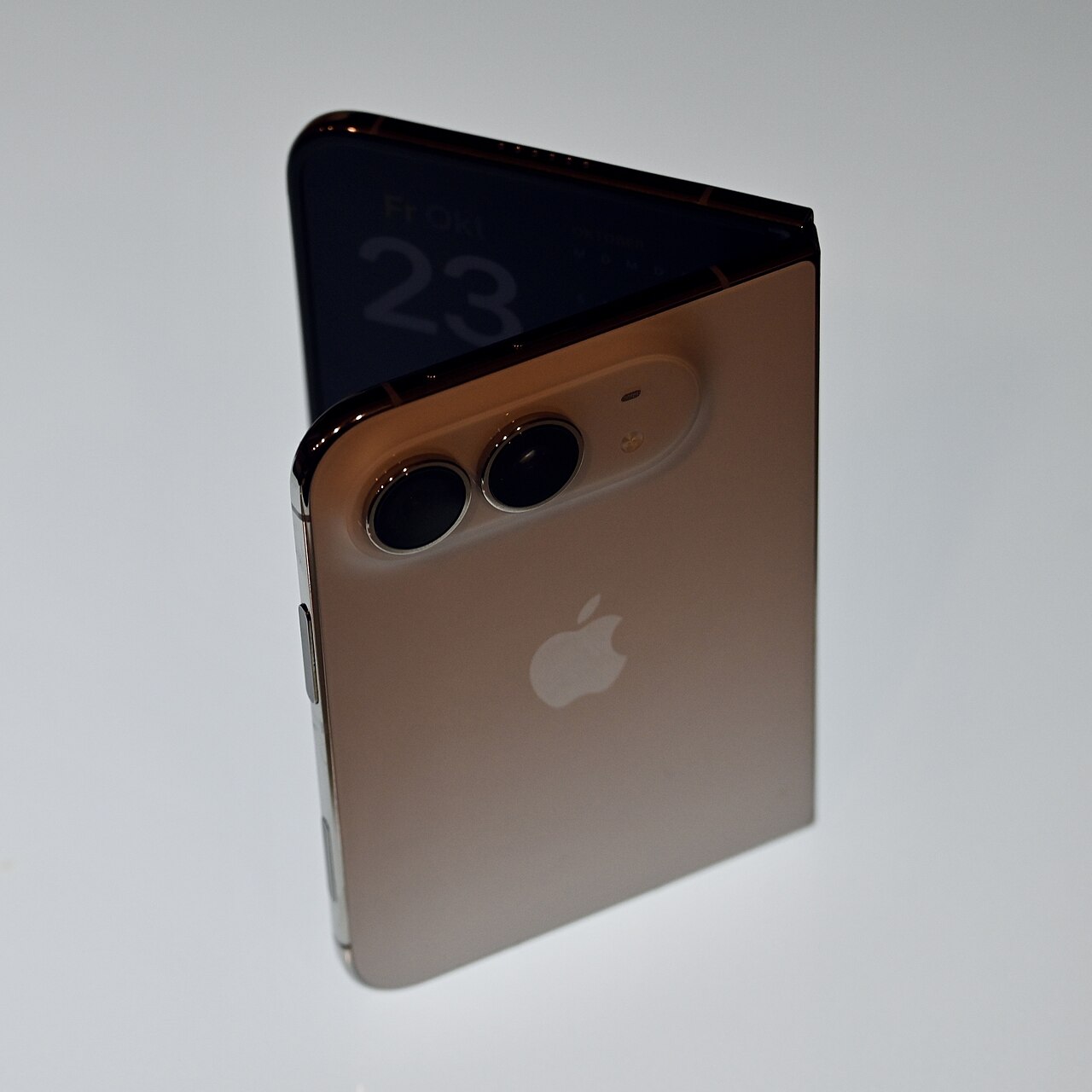
TrendForce expects Apple's first foldable, the iPhone Duo, to ship about 5 million units in 2026, giving it a 24.8% share of the foldable market and second place behind Samsung. Foldable shipments from Android brands are forecast to fall more than 20% as memory and display costs rise.
The industry hopes the iPhone Duo will widen demand for OLED TDDI chips, which combine touch and display driving in one device. A touchscreen MacBook Pro is also seen as a potential driver of laptop display investment.
Why it matters: When Apple adopts a new component, volumes and prices across the supply chain often move with it. OLED TDDI has so far been held back from mainstream phones by its high cost.
- TDDI: A chip that merges the display driver IC and the touch controller into a single component.
13. LG Display sees a bigger foldable market, while Samsung Display supplies Apple's first foldable
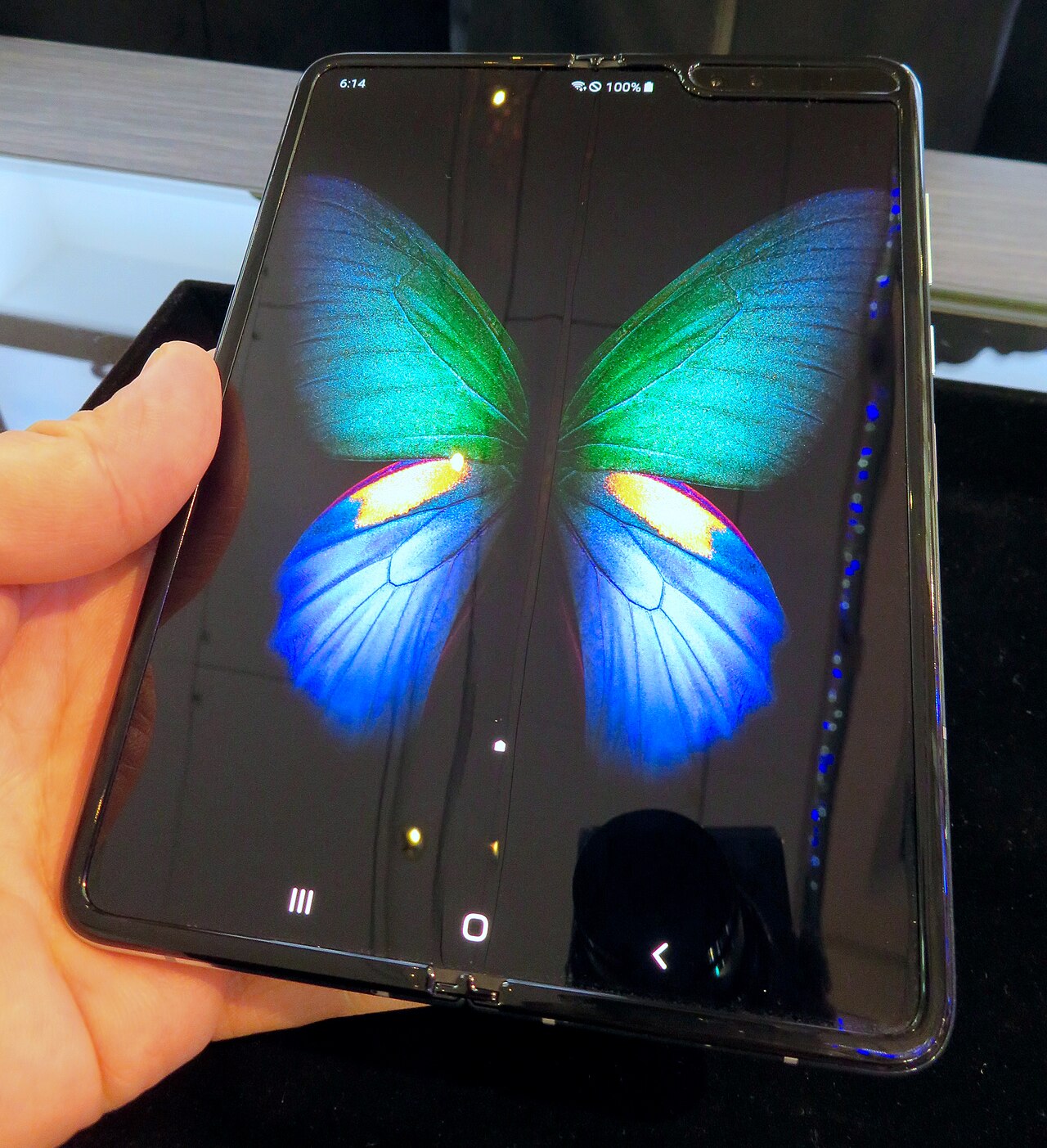
On its October 22 third-quarter earnings call, LG Display said the foldable market could turn out larger than expected. It pointed to new form factors and demand for larger screens suited to AI features, and said market sentiment toward the iPhone Duo was broadly upbeat.
The iPhone Duo's foldable OLED panels, however, are reported to come from Samsung Display. LG Display said it will build on its experience mass-producing mid-size foldable panels and prepare for smartphone foldables as the market develops.
Why it matters: Foldable panels are hard to make because the fold must survive repeated bending, so few companies can supply them. How well Apple's foldable sells could decide whether more panel makers are brought in.
14. Apple reportedly developing a premium HomeView with a robotic arm for 2027-2028

Bloomberg's Mark Gurman reports that Apple is developing a high-end HomeView with a roughly 9-inch display mounted on a robotic arm. The arm would rotate a full 360 degrees around its base, recognize who is speaking and turn the screen toward them.
The device would sit alongside the existing 7-inch HomeView as a premium line rather than replace it, with a target release of 2027 or 2028. Apple has not confirmed the report, and the timing and design could change.
Why it matters: Smart home devices are expanding from screens and speakers into hardware that physically moves. That could create demand for new components such as motors, sensors and on-device AI chips.
15. China's factory-gate prices rise 5.0% in September while consumer prices edge up 0.9%
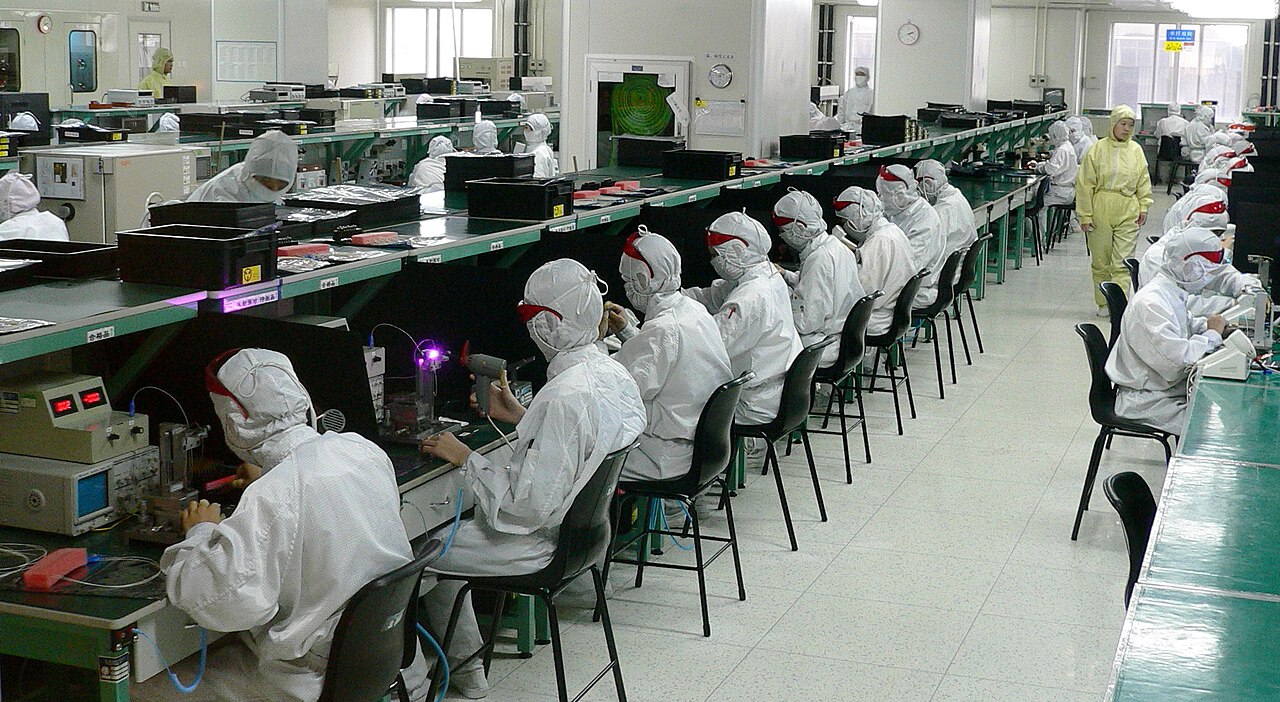
China's National Bureau of Statistics said producer prices rose 5.0% year on year in September and 1.2% from August. Consumer prices increased just 0.9% from a year earlier, with food, tobacco and dining-out prices down 0.9%.
The figures show a widening gap between fast-rising prices at the factory gate and largely flat prices for consumers.
Why it matters: China is a major producer of electronic components and materials, so rising producer prices can add cost pressure across the global electronics supply chain. Consumer demand, meanwhile, remains weak.
- PPI: The producer price index tracks changes in the prices factories receive for their goods.
Sources
- Wall Street banks, Blackstone line up $63 billion to finance Broadcom AI chips for Anthropic (Reuters (Investing.com))
- Broadcom arranged $63 billion in Wall Street financing for Anthropic's AI chips (Quartz)
- Anthropic plans to spend up to $567 billion on compute. Its S-1 reveals plans to set up its own data centers (Fortune)
- Anthropic IPO live updates: AI lab's S-1 filing (CNBC)
- Anthropic's IPO Filing Reads Like a $570 Billion Order Book for Chipmakers (Benzinga)
- Exclusive-Broadcom to lend Anthropic up to $42 billion to lease its chips, filing says (Reuters (The Star))
- Nvidia Unveils DSX Pod for Faster AI Data Center Builds (Data Center Knowledge)
- Nvidia puts a Vera Rubin AI factory in a shipping container and says it can go live in 14 days (MarketScale)
- Nvidia locks in 2.5x substrate and 4x interposer capacity with six suppliers (Silicon Analysts)
- Nvidia and Amkor plan over 300% jump in advanced packaging capacity (Crypto Briefing)
- Energy Department Designates Helium as Critical Material to Strengthen American Manufacturing and Supply Chain Security (U.S. Department of Energy)
- US designates helium as a critical material, citing its importance for semiconductors (AP (News4Jax))
- GM locks in Micron chip deal and a $4.5 billion parts reserve to shield production from automotive memory supply pressure (GCN)
- Cars become the next memory chip battleground (The Korea Herald)
- Auto Industry Faces Biggest Chip Cost Shock Since Pandemic as Prices Surge (Electric Vehicles)
- Firebird Secures U.S. License for 45,000 NVIDIA GPUs for Kazakhstan AI Build-Out (Credence Research)
- Kazakhstan Expands Compute for Its AI Future (NVIDIA Blog)
- SoftBank eyes possible AI data center project in Borneo (DatacenterDynamics)
- SoftBank, Grab and PETROS Sign Framework Agreement to Explore AI Infrastructure Development in Sarawak, Malaysia (Blackridge Research)
- GPU NVIDIA : Jensen Huang estime désormais leur durée de vie à huit ans ou plus (Pause Hardware)
- NVIDIA CEO Says GPUs Can Last Over 8 Years as Elon Musk Highlights Rising Value of Older AI Chips (Digital Citizen)
- Amazon challenges Nvidia's software advantage with new tool for its AI chips (GeekWire)
- Google open-sources TorchTPU to run native PyTorch on TPUs (Let's Data Science)
- Infineon and ASMedia collaborate to expand USB 20Gbps (Infineon)
- Infineon extends USB 20Gbps to 5-meter industrial links (eeNews Europe)
- iPhone Duo expected to capture nearly 25% of foldable smartphone market in 2026 as Apple's first foldable drives supply chain upgrades, says TrendForce (TechNode Global (TrendForce))
- iPhone Duo demand may boost display chip investments (Mezha)
- [컨콜] LG디스플레이 "폴더블 시장, 당초 예상보다 늘어날 가능성" (데일리안)
- LGD, '아이폰 듀오'에 "시장 기대감 높아…폴더블 시장 더 커질 것" (아이뉴스24)
- Who Makes The iPhone Duo's Screen? (BGR)
- HomeView follow-up with robot arm rumored to ship in 2027 (AppleInsider)
- Apple eyes high-end HomeView with robotic arm by 2027 (DIGITIMES)
- Industrial Producer Price Indexes in September 2026 (National Bureau of Statistics of China)
- Consumer Price Index in September 2026 (National Bureau of Statistics of China)
Compiled by Bits & Bites from public reporting. Not investment advice.
Leave a Reply